
Collaborative Divorce
New York and New Jersey Divorce Attorneys – (800) 560-0922
Many middle and high-net-worth people are hesitant to divorce just because it could mean going into a courtroom again and again and fighting it out with a soon-to-be ex-spouse. The litigation process can cost tens of thousands of dollars. It is not unheard of for couples to jointly spend over $100,000 litigating aspects of their divorce which could have been resolved with less time, money, and aggravation.
The Collaborative Divorce process offers an effective divorce method which side-steps the conflicts that can arise in litigated divorces. As the name implies, both spouses agree to collaborate, to overcome their divorce issues together, using their attorneys. During the process, it is agreed that no adversarial tactics will be used and that each party will act in a manner which serves to preserve their family units and not to engage in divisive behaviors which fray the very fabric of the family unit.
Are you worried that your divorce could become a shouting match if you use traditional divorce methods, do you know that your marriage is over, but you think that you and your spouse can work together to resolve your issues with the aid of attorneys? Well, then it is time to contact Dow Divorce Law. We can act as your legal guide and representative through the Collaborative Divorce Process so that you can divorce in a less stressful and costly manner. Now, that is fear turned into power!
The Collaborative Divorce Process in New York and New Jersey:
- Your consult with a Collaborative Divorce lawyer and discuss the facts and circumstances of your impending divorce. They will explain the process of collaborative law and help you determine whether same might be successful for you and your spouse. This is a fact-sensitive process.
- If collaboration cannot succeed due to either spouse refusing to collaborate on an aspect of divorce, each attorney signs a no-court agreement that bars them from representing their client in any future divorce litigation proceedings. This ensures that anything which occurred in the Collaborative Process is protected from being revealed to the court.
- Subsequent meetings are scheduled if the collaborative divorce is not concluded but is expected to succeed. Eventually, the agreed upon divorce will be brought to the court for final approval.
- You, your attorney, your spouse, and your spouse’s attorney all meet to discuss the details of the Collaborative Divorce process to be sure that the process will fit the needs of you and your spouse. You will sign a “Participation Agreement” wherein you will pledge to engage in the Collaborative Process in good faith with the goal of not using litigation to resolve your pending divorce. Other experts may be present as well, such as a divorce coach or an accountant.
- Your spouse will retain a divorce lawyer with additional training or certification in the practice of Collaborative Law.
- You speak with your collaborative divorce attorney privately about what you would like to happen during your divorce. Considerations will include child support, child custody, equitable distribution, and so forth. This is the time to discuss your soft and hard limits, such as how much spousal maintenance you want and how much you need.
- You retain a Collaborative Divorce Lawyer who will then contact your spouse in writing to advise of your desire to divorce in a collaborative manner.
Benefits of Collaborative Divorce Law
When engaged in by trained professionals and dedicated spouses, a collaborative divorce will bring significant benefits that cannot be obtained through most litigated divorces. Because you are encouraged to work together, you and your spouse should be able to conclude your divorce sooner than later. Ending a divorce process sooner will save you court costs – you usually go to court just once, if at all, depending upon your state, to finalize the divorce – and attorney fees if your attorney charges by the hour. Knowing that your divorce will be over sooner than a traditional litigated divorce, and that you are saving money, will also help you keep calm and a sound mind, reducing the stress you feel during your divorce process.
Divorce Solutions Are a Phone Call Away – Dial (800) 560-0922
At Dow Divorce Law, we can assist you with any type of divorce, including the highly beneficial Collaborative Divorce. That said, if this process will not work for you because your spouse is not cooperative, we are also prepared to take your contested divorce to court for litigation, standing up for your rights through thick and thin.
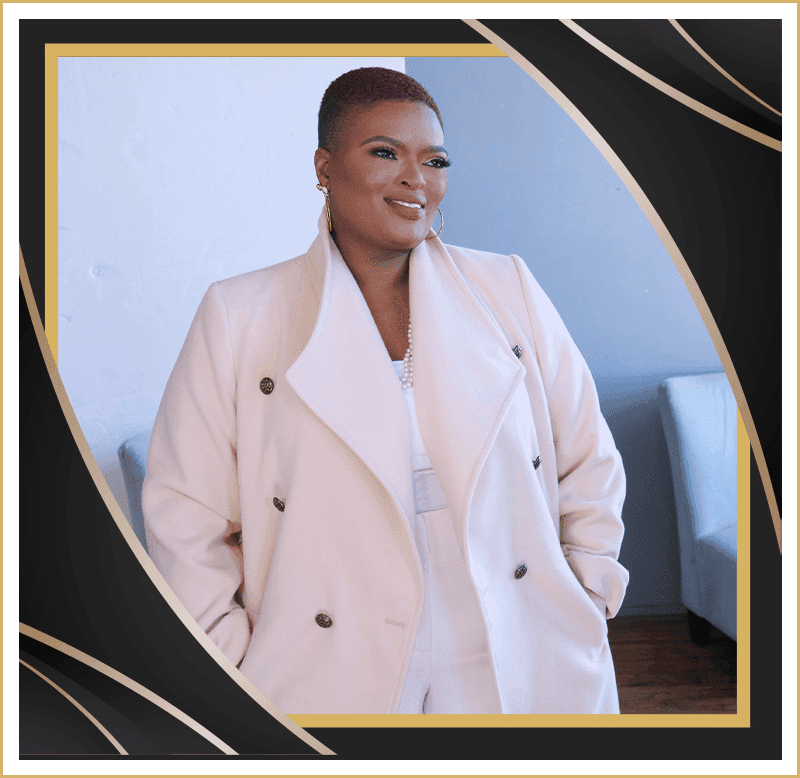
Discuss your options with me by setting up an initial divorce strategy session.
Have Questions?
We Have Answers!
-
Why Aren’t My Strategy Sessions Free of Charge?Nationwide, many attorneys offer free case consultations, but when you enter the office you are not given a consultation of your rights and your options. That is why at my law office you will not be met with unfulfilled promises. During one of my case strategy meetings, I can guide you through your entire case and outline your options if you decide to pursue legal action with my firm. With my experience, skills, and knowledge you can rest assured that your case will be treated with care.
-
What Are Grounds for Divorce in the State of New York?In New York any of the following reason will qualify you for a divorce: complete marital division (no-fault divorce) for a period of at least 6 months, abuse, abandonment, prison time, cheating, or a period of legal separation.
-
Can the Family Court Divide Our Property Without Us Going Through a Divorce?No, the Family Court does not have the power to divide marital property. Only the Supreme Court has the jurisdiction to distribute property and to grant divorces.

-
 Pay Your Bill Online
 -
Client Portal
-
Helpful Resources
-
Schedule an Appointment